A stark contrast in security assessments has emerged between the Nigerian government and the United States Embassy in Abuja, raising questions about potential unspoken threats in the nation’s capital.
On Monday, the U.S. Mission in Nigeria issued a security advisory urging American citizens to avoid non-essential travel to military installations and government facilities in Abuja, citing “increased security concerns arising from current global developments.” The alert also restricted U.S. Embassy personnel and their families from visiting such locations.
The advisory did not specify any immediate threat but hinted at broader geopolitical tensions that may have prompted the caution. The move has sparked speculation among security analysts, with some suggesting possible intelligence on elevated risks that have not been publicly disclosed.
In a swift response, the Federal Government dismissed any notion of heightened danger in Abuja, insisting that the city remains secure for residents, visitors, and foreign missions alike.
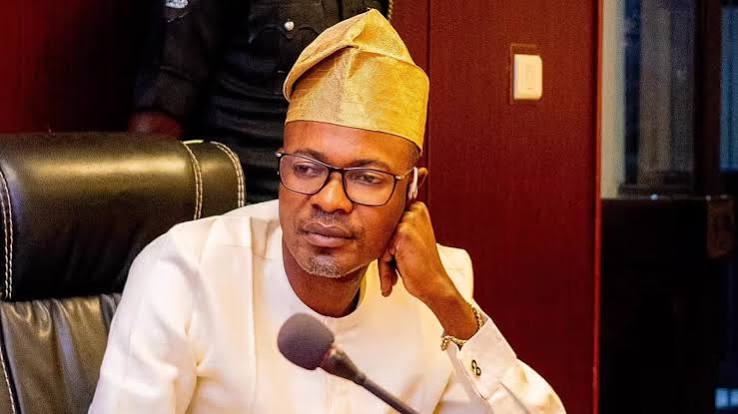
Minister of Information and National Orientation, Mohammed Idris, released a statement assuring the public that Nigeria’s security agencies are “working around the clock” to safeguard the Federal Capital Territory (FCT). He emphasized that the U.S. advisory appeared to be a general precaution rather than a reaction to a specific threat.
“Abuja is one of the safest capitals in the world,” Idris declared, adding that security forces have been “proactive” in detecting and neutralizing potential risks. He urged diplomatic missions, investors, and the general public to remain calm, assuring them that there is “no cause for alarm.”
Despite the government’s reassurances, security analysts note that such warnings from foreign embassies are often based on classified intelligence.
“International embassies frequently act on intelligence that host governments may not always disclose,” Adamu said. “The Nigerian authorities are right to project confidence, but it would be prudent for citizens to remain vigilant.”
The conflicting messages have left some Abuja residents uneasy. While many continue their daily routines, others are adopting extra precautions.
“I trust our security forces, but when a country like the U.S. issues such warnings, it makes you wonder what they know that we don’t,” said Aisha Mohammed, a business owner in the Central Business District.
Meanwhile, foreign expatriates and diplomats are reportedly reviewing their movements, with some organizations temporarily limiting staff travel to government buildings.
The Nigerian government has recently intensified counterterrorism operations, particularly in the North-West and North-East. However, Abuja—a symbolic and political hub—has remained largely insulated from major attacks, barring isolated incidents in recent years.
Authorities say security forces have foiled multiple threats through intelligence-led operations, but the U.S. advisory suggests that foreign observers may perceive vulnerabilities that are not publicly acknowledged.
While the government maintains that Abuja is secure, officials have still encouraged citizens to report suspicious activities—a standard advisory that hints at underlying caution.
“The truth is, no capital city is entirely immune to risks,” said security analyst Emmanuel Ojo. “The key is balancing public confidence with realistic preparedness.”
As the situation develops, the disparity between external warnings and domestic assurances continues to fuel debate over Abuja’s true security posture—and whether the government’s optimism aligns with on-ground realities.