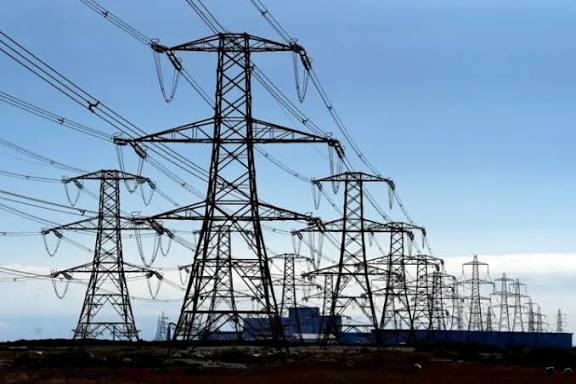
Nigeria’s electricity grid collapsed on Monday afternoon, cutting power to virtually the entire nation. By mid-afternoon, supply to homes and businesses dropped to near zero, marking another major system failure.
Data from the power distribution companies showed the scale of the blackout. Out of eleven regional distributors, only two had any electricity at all. Ibadan received 30 megawatts and Abuja got 20. The nine others, serving areas from Lagos to Kano and Port Harcourt, received zero.
This left the whole country running on just 50 megawatts of power. This amount is a tiny fraction of normal supply and is insufficient for a single small city, let alone Africa’s most populous nation.
The collapse has become a familiar crisis. Similar nationwide blackouts have happened repeatedly in recent years. Each event highlights the ongoing instability of the country’s power infrastructure, disrupting lives, businesses, and essential services.
Officials from the national grid operator confirmed the collapse. They stated that efforts to restore power are currently underway, though full restoration often takes hours.
This latest failure underscores the chronic challenges within Nigeria’s power sector, leaving millions without reliable electricity and raising urgent questions about systemic solutions.